If you own a home in Alberta, you may already have a Real Property Report (RPR) from when you bought or built. The question that causes stress later is not “Do I have an RPR?” but “Is this still good enough, or do I need to update it?”
This article explains when an RPR update is required, who can perform that update, and how the update process works — so you, your realtor, and your lawyer are not left scrambling at the last minute.
What Is A Real Property Report?
Before we talk about updates, it helps to be clear on what an RPR actually is. That context makes it easier to understand why some changes matter and others do not.
A Legal Survey Showing Boundaries And Structures
A Real Property Report is a legal document prepared by a licensed Alberta Land Surveyor. It shows your property boundaries and the location of all permanent, visible improvements — for example, your house, garage, decks, fences, sheds, and similar structures — relative to those boundaries. It also notes easements, rights‑of‑way, and any encroachments that affect you or your neighbours.
When requested, the RPR is submitted to the municipality for a compliance review. The City’s response may include a compliance stamp, an encroachment advisory, or a requirement for a Development Permit. The RPR is the survey product that underpins that review, which is why it plays such an important role in property transactions.
For a deeper dive on validity and timing, see How Long Is An RPR Valid In Alberta?
When An RPR Update Is Required
RPRs do not “expire” on a fixed date, but they do age. As properties and bylaws change, an older report may no longer reflect what is actually on the ground. Whenever a meaningful exterior change has occurred — or when a buyer’s lawyer insists on a current plan — you will be dealing with either an update from the original surveyor or a new RPR from a different firm.
If the company that signed your existing RPR is not the one you want to use now, you should assume you will need a new Real Property Report rather than a quick update.
New Fences, Decks, Garages, Or Additions
If you have added or significantly altered structures that relate to your property boundaries or setbacks, you should expect to update your RPR. Examples include:
- Building a new fence or moving an existing one
- Constructing or enlarging a detached garage
- Adding a covered addition or sunroom
- Building or raising a deck, especially one that is 60 cm or higher above grade
These changes may affect how close improvements sit to property lines and easements. They may also introduce new encroachments or change how the City interprets existing ones during a compliance review.
When you go to sell, a purchaser’s lawyer may not accept an RPR that predates these exterior changes, even if the house itself looks similar from the street.
Driveways, Pools, Sheds, Or Setback Changes
Other projects may also trigger the need for a new or updated RPR. If you have installed or changed any of the following since your last report, you should plan to speak with a surveyor:
- New or widened driveways, especially near side or front setbacks
- Hot tubs or pools, which may be treated like small pools for bylaw purposes
- Sheds or accessory buildings near utility or drainage easements
- Retaining walls, pergolas, or concrete pads close to property lines
Even if these changes feel minor, they may affect whether the property complies with current municipal rules. An RPR that does not show them may leave buyers and lenders uncomfortable, which may delay conditions or force renegotiation.
When An RPR Update Is Not Needed
Not every change to your home requires a new or updated real property report. Many interior or purely cosmetic updates do not affect setbacks, easements, or encroachments at all.
Interior Renovations Or Roof Replacement
Work that stays entirely inside the walls of your home typically does not require an RPR update. Renovating a kitchen, finishing a basement, replacing flooring, or updating bathrooms does not change how your improvements relate to the property boundaries. Likewise, replacing shingles or re‑roofing with the same form and footprint does not usually alter what appears on the RPR.
These projects may still require building permits, which deal with safety and construction standards. However, they do not change the boundary‑related information that an RPR records, so your existing RPR may remain acceptable if no exterior elements have moved.
Replacing Structures In The Same Footprint
If you replace an existing structure in the same location and footprint, you may not need an RPR update, provided nothing else changed around it. For example, replacing an old deck with a new deck of the same size, elevation, and alignment may be treated differently than enlarging it or raising it. Similarly, re‑building a fence on the same surveyed line is not the same as shifting it inward or outward.
The key question is whether the change affects setbacks, easements, or encroachments. If the structure is rebuilt exactly where it was, your original RPR may still provide an accurate representation of the site.
If you are unsure, a quick conversation with a land surveyor or your lawyer may save you from ordering work you do not need — or from discovering too late that it’s something you should have attained.
Who Can Update Your RPR
This is where many deals get tripped up. People assume that any surveyor may “update” any RPR. That is not how it works in Alberta, and understanding this will help you choose the right path early instead of finding out the week before closing.
Only The Original Surveyor Can Update Your RPR
It is important to understand that only the Alberta Land Surveyor who signed your existing RPR may issue an official update to that plan. They are the professional of record for that document, which means they are the only one who may revise and re‑certify it.
If you decide to work with a different surveying firm, that firm cannot “touch up” or amend the old RPR; they must complete their own research and fieldwork and prepare a new Real Property Report from scratch.
A different licensed surveyor may certainly help you, but what you receive in that case is a new RPR, not an update. This distinction matters for homeowners, realtors, and lawyers, because it affects timelines, pricing, and expectations: returning to the original surveyor may allow for an update, whereas changing firms means planning for a full new report.
Knowing this early removes a great deal of back‑and‑forth and lets everyone set realistic conditions and closing dates.
How An RPR Is Updated
Once you determine that an update is required, it helps to know what actually happens in the background. Although “update” sounds simple, it still involves real survey work and professional certification.
Site Visit By A Licensed Alberta Land Surveyor
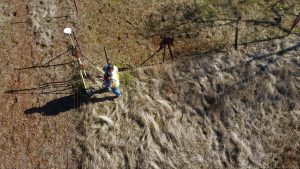
If you hire the original surveyor to update your RPR, they will start by reviewing your existing RPR and confirming what has changed on the property. A field crew then visits your site to recover survey evidence and measure any new or altered structures relative to the legal boundaries and easements.
Even for an update, this site visit is not optional. The surveyor must verify that the evidence on the ground still supports the boundaries shown on the plan and that all visible, permanent improvements are correctly located. They will not simply “trust” that nothing moved since the last survey, because they are about to re‑certify the work in their own name.
Verification, Measurement, And New Certified Plan
After fieldwork, the surveyor compares what they observed to the previous RPR. They measure the new or modified improvements, confirm how those features relate to setbacks and easements, and then update the drawing so it reflects current conditions.
When they sign and date the updated RPR, they are issuing a new certification for that plan. This is why only the original signing surveyor may update their own RPR. If a different firm tried to change the drawing, they would be taking responsibility for work they did not perform, which is not acceptable from a professional liability standpoint. In that scenario, a completely new RPR is required.
Submission With Municipal Compliance Letter
If you request it, the updated RPR is submitted to the municipality for a fresh compliance review. The City examines the updated plan, checks the placement of improvements against current bylaws, and then issues its decision: a compliance stamp, an encroachment advisory, or a direction to pursue a Development Permit.
From a transaction perspective, this pairing — an updated RPR plus current compliance — is what removes the most stress. Everyone involved can see a recent, certified snapshot of the property, and there is no debate about whether an older RPR “might be good enough.”
Trust Third Rock Geomatics For Your RPR Needs
When you are already managing conditions, lender requirements, and client emotions, the last thing you need is to discover in the eleventh hour that your “update” is not actually possible. Third Rock Geomatics is set up to remove that uncertainty early and give you a clear path forward.
Calgary‑Based Surveyors With Fast Turnaround
Third Rock focuses on residential Real Property Reports in Calgary and surrounding communities. That focus shows up in three ways that matter during an update conversation:
- Clear guidance on your options. When you contact Third Rock with an existing RPR, the first thing they will do is clarify whether they are the original surveyor. If they are, they will explain whether an update is appropriate. If they are not, they will tell you directly that you will need a new RPR and outline exactly what that involves.
- Fast, predictable timelines. Third Rock delivers RPRs in 3–5 business days and manages the municipal compliance submission on your behalf, which means you are not left guessing about next steps or chasing the City yourself.
- Fixed, all‑inclusive pricing. Quotes include the survey work, RPR preparation, and standard municipal application fees, so you are not worrying about add‑ons at the same time you are worrying about your closing date.
If you’d like a simple primer on interpreting your plan, see our resource: How To Read an RPR
Don’t leave your home sale to chance or risk a deal falling through. Contact us today for fast, expert help with your Real Property Report in Alberta.
This resource is intended to inform Alberta homeowners and sellers about RPR requirements. For advice about your unique property or transaction details, speak with a qualified land surveyor or your real estate lawyer.